
Giving people access to energy should also mean creating lasting economic opportunities
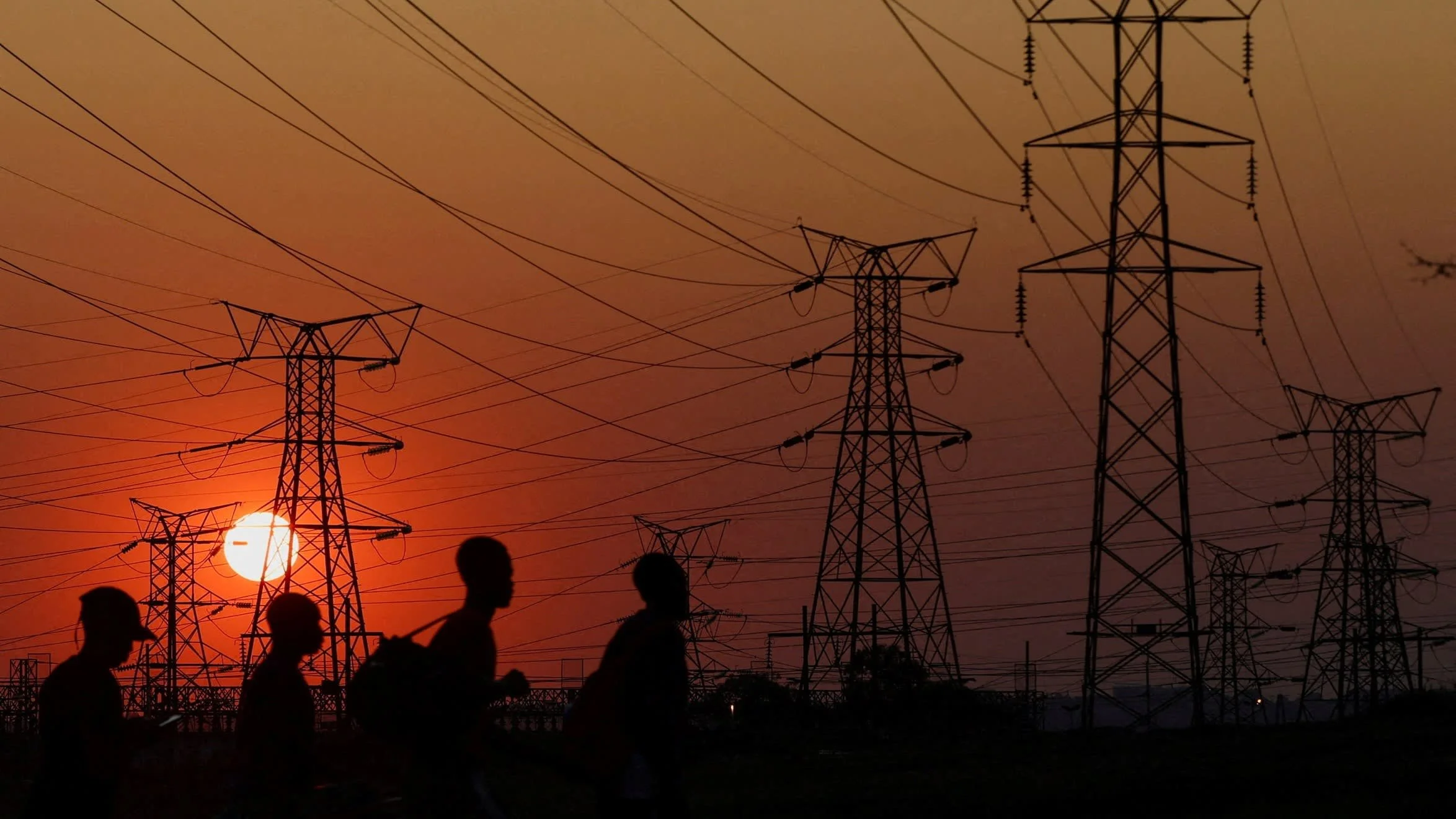
In South Sudan, just 8% of the population have access to energy, while many rural areas across the continent still rely on costly or unreliable energy sources © Siphiwe Sibeko/Reuters
The past decade has delivered remarkable progress in expanding electricity access across Africa. Governments, donors, utilities, private businesses and communities have built systems that reach hundreds of millions more people.
In eastern and southern Africa alone, roughly 25mn people gained new or improved access to energy between 2018 and 2023. Rwanda’s electrification rate climbed to around 75 per cent in 2024 from 6 per cent in 2009, and Malawi has nearly doubled access since 2021.
Yet, even with this progress, access is not growing fast or evenly enough, and not in ways that consistently unlock lasting economic opportunity.
While some countries are approaching universal access, others continue to face deep structural challenges. In South Sudan, just 8 per cent of its population are connected, and many rural areas across the continent still rely on costly or unreliable energy sources. These disparities highlight the need for approaches that not only expand supply but also ensure that access reaches all communities and supports meaningful economic use.
Click the two articles below to read more
